Free Delivery on orders of any value. Available for a limited time. 10% Discount Loyalty Voucher Advice and Information Centre Create A New Customer Account

Gardening For Wildlife

Gardening For Wildlife

Garden Wildlife - Gardening for Wildlife

When considering setting up a garden to attract wildlife, care should be taken to avoid simply allowing that part of the garden to ‘go wild’. Good planning and a little thought could mean the difference between a patch of weeds and a true haven for a wide range of wild birds and wildlife as well as looking good.

Ground and weather conditions vary greatly with respect to drainage, soil type, altitude and rainfall all of which will play a part in what can or will grow in, and what lives in or visits your garden.

Take a look round the natural environment of your area for ideas on what plants and wildlife flourish locally, and if you already have some good plants for attracting wildlife leave these in place and enhance with others you have found in your studies. Try not to make drastic changes to existing gardens as these may prove more harmful than good for local wildlife, instead introduce changes gradually to let wildlife adapt to these changes without stress.

An important feature of a successful wildlife garden is the number of habitats it provides. Typical habitats found in many gardens are a lawn, flowerbeds, shrubs and trees and water features. Within each of these key features it is possible and desirable to create sub features. For example an area of long grass, as part of the lawn, provides ideal conditions for ground laying birds, as well as habitat for many insects which may well then attract other wildlife in search of food. Many types of flowers and flowering plants provide sources of food in the form of nectar, seeds and berries to name but a few. Shrubs and trees provide sources of food and nesting sites. Water features with varying depths of water (such as a garden pond) are ideal for birds to drink and bathe, animals to do likewise, amphibians to breed and insects to develop.

A successful wildlife garden must provide for the two basic requirements for its inhabitants and visitors.

  • A place to shelter and breed in safety; and
  • A place to find food.

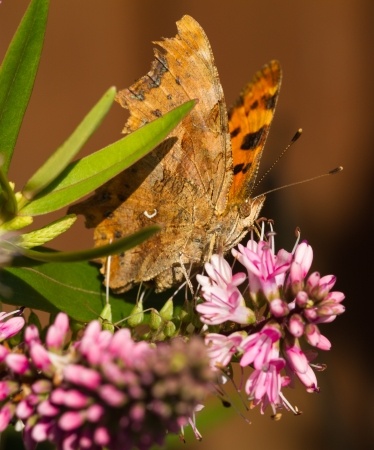
Climbing plants and thorny bushes provide both shelter for roosting and nesting sites for breeding birds. Depending on the results of your investigations bird boxes, bat boxes and other forms of artificial homes help wild birds, bats, animals and insects thrive locally. Piles of leaves and deadwood provide shelter for many insects, beetles and fungi. Ladybirds, bees and other insects find bundles of short canes wonderful places to shelter and breed and certain plants are ideal for butterflies.

Finding food all year round presents our wildlife with a challenge but the smart thinking gardener can help here too. Using plants that provide food sources at differing times throughout the year is a sure way to a successful wildlife garden. Even simple things like leaving the cutting of shrubs and tidying of borders until late winter or early spring will leave vital sources of fruit and seeds to many birds and small animals. Fruiting plants provide essential food in autumn and early winter, seed producing plants can help in autumn and early winter, late or early flowering plants can provide much needed sources of food for insects either just at emergence or just before entering hibernation. And if some of your efforts at attracting insects have been successful parent birds will find an ample supply of high energy food for rearing young.

Finally make sure any steps you take to create the ideal wildlife garden don’t impact either the local or wider environment in a damaging or other negative way. Many of the steps that may be taken to ensure this are likely to be in effect already in established gardens as part of the day to day gardening practices. These include collection of rainwater, avoidance of peat based products, ensuring the planting of native species uses truly native ones not imports, using cultivated wildflower stock not wild sourced and ensuring all wood products such as garden furniture, bird boxes and tables and charcoal for the barbecue are from FSC sustainable sources.

By following these simple guidelines you may reap the rewards of a healthy and richly diverse ecosystem right on your doorstep, full of interesting wildlife all year round.

Next Article in "Feeding Advice":
How To Make Fat Balls For Birds

Previous Article in "Feeding Advice":
Baby Birds

Newsletter Signup

Would you like to sign up for the Twootz newsletter?
Name
Email
  Newsletter Subscription

Bird Food Blog